


What is Coping Stone
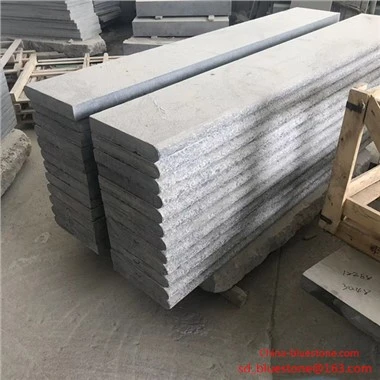
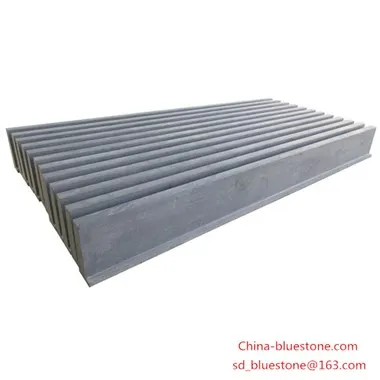
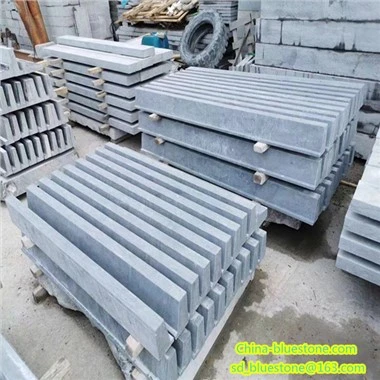
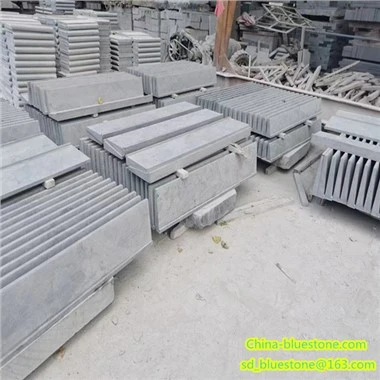
Coping stones are more than just a decorative detail, they're an important and underrated construction essential that need to be considered before your next parapet upstand or boundary wall project.From traditional copings to pier caps and even aluminium alternatives; there are many different types of coping stone to complete both new and existing projects. It doesn't matter if your latest job is smaller in scale or very large and elaborate in scope, coping is a smart, durable and incredibly valuable asset to your building's roof or wall structure.
Advantages of Coping Stone
Waterproofing
One of the functions of coping stones revolves around helping with waterproofing. Assisting as a weatherproof barrier, helping to prevent water from infiltrating and compromising the underlying structure. By covering the top surface of walls, coping stones redirect rainfall away from the structure, ensuring it is less likely to permeate the building envelope.
Aesthetics
Coping stones not only serve functional purposes but also provide an opportunity to enhance the overall appearance and aesthetic appeal of buildings and structures. With their versatile designs, shapes, and materials, coping stones can transform plain walls or parapets into visually stunning elements that enhance the architectural beauty of the entire structure.
Durability
Coping stones are crafted from robust and durable materials, such as cast stone, natural stone, concrete, or metal, which are chosen for their strength and ability to withstand various weather conditions. Therefore, they require minimal maintenance. These materials are carefully selected to provide coping stones with exceptional durability and resilience, helping them to effectively protect the underlying structure from potential damage.
Maintenance
Coping stones, such as cast stone coping, contribute to the protective function that helps enhance the durability of the overall structure. They play a role in preventing harmful elements from directly impacting the underlying materials. This quality becomes particularly valuable in areas that experience challenging climates or severe weather conditions





Why Choose Us
Our history
Our company establised in 2017. In2021, we moved to a new site and named the new company shan dong blue stone co.Ltd.
Our factory
Our company covers an area of about 13000 square meters. It is a large stone enterprise integrating processing, design, and sales. We have more than 40 workers with years of production experience.
Product application
We mainly serves the construction, real estate park, landscape decoration, renovation and other industries.
Production equipment
Six large stone saws, four sets of infrared cutting equipment, four polishing equipment, etc.
Steps for how to fit coping stones
These are steps for applying coping stones to a straight wall with no corners. For example, a standard garden brick or stone wall.
Step one: Place one coping stone on either end of the wall first. Using a string line, set this on the highest edge of the coping and run it along to the opposite end. This can help ensure each coping stone is lined up with its neighbouring stones as you lay each one down.
Note: You do not need to set the string line on both sides of the coping.
Step two: Use a spirit level to ensure the coping is levelled as accurately as possible. Once confirmed, secure each coping stone to the wall below with wet mortar mix or adhesive, making sure it is placed in the centre with an equal overhang on either side. Use a trowel to help spread the joining material, then use a rubber mallet to confirm the level.
Step three: Next, secure the rest of the coping stones to the wall, starting from one end and finishing at the other. Taping the joints is recommended to minimise future staining as you do so. Make sure the coping stones are level as you lay each one, following the processes mentioned in step three and ensuring there is no run, up or downhill.
Note: All joints should have a difference no bigger than 10mm and you may need to cut a coping stone with an electric grinder to fit into the centre if needed.
How to lay coping stones on a curved wall
When laying coping stones on a curved wall, there are similar steps to fitting coping stones as above. However, with a curved wall, you are going to need to match the stones with the radius of the wall you’re working on. Here’s what you can do!
Step one: Do this, two coping stones at a time. As with a straight wall, lay the front of the coping so that they are parallel with the front of the wall – do not secure in place just yet. If this has been done correctly, there should be a gap between the coping.
Step two: Take a ruler and measure the gap between the two coping stones. Then take this measurement and divide it by two. Mark that final measurement on the back end of the coping stone on top of the coping.
Step three: Now draw two separate lines from those markings down to the front corners next to the gap of each coping. This will give you the lines to follow for smooth cutting.
Note: Not all coping stones will need to be cut. Make sure to test your coping placement before securing or cutting.
How to Choose Coping Stone




Where it'll be used
Whilst all coping stones will be used on top of a wall of some type, consider what you need it to achieve. If you need water to be directed in a particular direction, you’ll want to use single weathered coping. But if you are happy for water to be directed in either direction, then twice weathered coping will be ideal.
Equally, where your coping will be used should determine the material you pick. If your coping stones will be used somewhere that’s rarely seen, such as on an unused flat roof, then metal or concrete are cost-effective options. But if your coping stones will be used in a garden or flat roof used for socialising, then either granite or porcelain are wonderful choices.
How it'll be maintained
In truth most coping doesn’t require regular maintenance. But if your coping stones will be in a prime location, such a surrounding a patio, then you’ll want to show them a little tlc. How much will be necessary to keep them in good condition depends upon the material, as more porous materials (such as concrete) will stain easier than less porous materials (such as porcelain).
The easier coping stones to maintain are metal and porcelain. A wipe down with a wet sponge and a gentle soap every so often will keep them looking new. On the other hand, concrete and granite coping may require a little more work. A jet washer with a gentle soap should do the trick, but some discoloration or staining is unavoidable.
What size you require
Whilst most coping stones are 600mm in length, their widths can vary from 175mm – 450mm. This allows you to get the ideal size for your project, whether you’re placing coping onto a single skinned or double skinned wall. Ideally, you should have an overhang on each side of your wall of 25mm or greater.
When buying coping stones, consider the amount of overlap you’ll have as well as how far the drip check is located from the edge of the coping. If your drip check is located too closely to the face of your wall, it will be ineffective at shedding water away and you will likely experience the issue of dampness.
Your budget
Of course, you need to pick a coping that suits your budget. Thankfully, coping is available in a range of materials to suit both low and high budgets. Here are some great options for each:
Low-cost coping stones
Concrete is without doubt the most cost-effective type of coping available. But despite being low-cost, it offers brilliant longevity with it being resistant to most chips and maintaining its colour for many years.
Mid-cost coping stones
Although the most aesthetically pleasing, porcelain is a great middle ground when it comes to cost. With it being virtually non-porous it will maintain its visual appeal for years, but it is a little easier to chip and crack.
Premium coping stones
Granite offers a unique combination of sophistication and durability. In most cases, this makes it the costliest coping available. But granites natural variations in colouring and ability to age like a fine wine makes it a true statement piece.
Materials Used in Coping Stone
Natural stone
This option offers a timeless, luxurious look, available in varied textures and colors. Limestone and sandstone are durable choices that complement many landscaping styles.
Stone copings are often a top choice for buildings and walls adorned with natural stone cladding. While they come at a higher price point compared to materials like concrete or clay, their elegance is unmatched.
Yet, the weight of stone poses a potential issue, potentially leading to structural concerns based on the wall’s strength and design. The installation of stone copings demands skilled labor and meticulous methods to ensure a secure fit and lasting bond.
Brick
Brick copings are usually matched to the wall below for a seamless look. However, bricks may not be the most suitable material for copings due to the numerous joints, raising the risk of water seepage with subpar workmanship.
Over time, the brick and mortar can degrade, exposing walls to the elements. Typically used on interior walls like privacy walls for rooftop terraces rather than parapet walls, brick copings demand regular maintenance checks due to their vulnerability. If you admire the aesthetic of brick copings, consider using them for decorative purposes on non-parapet walls.
Concrete
Concrete wall copings offer a cost-effective alternative to natural stone copings and other options. However, caution is advised due to their heavy weight and thickness, making them unsuitable for all wall types.
Typically used on sturdy masonry walls that can handle the load, these copings come in various colors achieved through pigments in the mix, providing designers and builders with versatile styling choices. Check out the concrete coping stones we have in stock here.
Porcelain
Due to its virtually non porous material they are ideally suited to use on a wall as they keep water ingress to a minimum. The non porous nature of porcelain also help prevent against staining meaning the coping will keep its original colour and be low maintenance throughout its lifetime.
How to Use Copings Stones in Your Home or Garden
One of the most common applications of coping stones is in swimming pool surrounds. A smooth, edged stone allows for a comfortable point to hold onto when in a pool, and creates a unified, smooth aesthetic for the surround.
In addition, with water flowing into the pool regularly, the overhang provided by a coping allows water to drip into the pool and not down the underside, meaning unsightly marks and stains can be avoided from surface water otherwise running down the side.
As mentioned earlier, one of the oldest applications of coping stones is in capping off walls. Placed on top of a wall, the coping follows the same principles as that of a pool coping. As rain falls on the coping, it is displaced and will run off the edge of the stone, rather than down the side of the wall where it may stain the surface or permit the growth of algae, moss or other organic matter. Without this protection, rain water can also soften cement or grout, causing it to fall away and over time compromise the structural integrity of the wall itself. For installations such as gate pillars, a pier cap can be added in order to achieve the same result, and unifying it with the rest of the walling.
All of our coping stones are also available as step treads, allowing you to match steps to walls, paving and other elements of your garden. With a variety of edge profiles to choose from, copings mean you can achieve any look you desire. Additional features can be added such as strips for extra grip, or bespoke cutting to allow for features such as lighting. Our stone steps utilise slip resistant finishes, alongside our pool copings, meaning that your steps are safe to use and fit for purpose.
Stone step treads can also be utilised in staircases, inside or out, offering a choice or edge profile and through our masonry team, the possibility to add bespoke features such as lighting, grooves, matching risers and more. Anti-slip strips can also be inserted in a variety of formats such as recessed brass or even texturised into the stone itself.
FAQ
As one of the leading coping stone enterprises in China, we warmly welcome you to buy cheap coping stone in stock here from our factory. All our products are with high quality and low price. For pricelist and quotation, contact us now.
